Stained Glass Butterfly Backgrounds: A Creative Asset for Designers
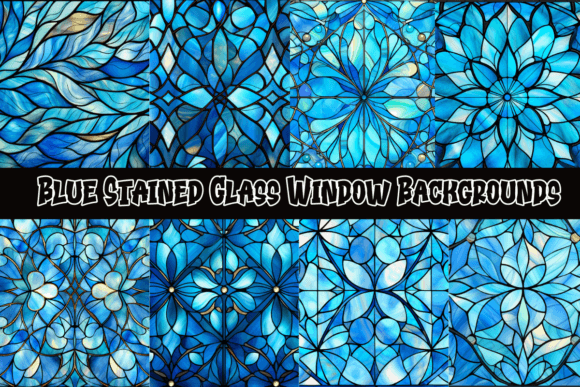
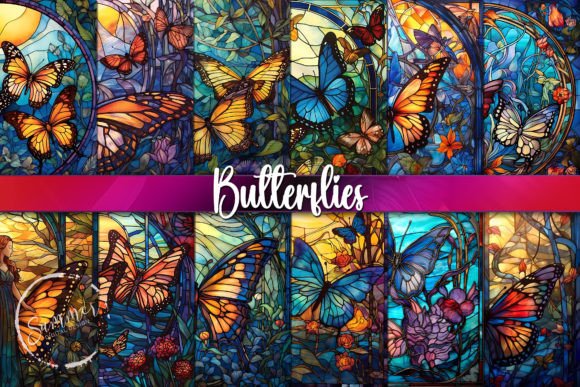
There's a particular quality to stained glass that stops you in your tracks. It’s the way light transforms simple color into something luminous and alive. Now, imagine capturing that interplay of light, rich color, and intricate leading, but with the delicate, organic form of a butterfly. That’s the essence of Stained Glass Butterfly Backgrounds. These aren't just flat patterns; they are digital design assets that bring a sense of artistry and depth to any project. The visual style is unmistakable: bold, jewel-toned colors held within defined, black lines that mimic the leading in traditional glasswork. The personality is both elegant and vibrant, offering a balance between structured craftsmanship and natural beauty. This unique combination makes them incredibly versatile.
The appeal of these backgrounds lies in their ability to add instant visual interest without overwhelming the primary content. They provide a sophisticated backdrop that can feel whimsical for a greeting card or luxurious for a brand's social media presence. The stained glass effect creates a texture that interacts with foreground elements in a way a solid color never could, adding a layer of professional polish and artistic flair. For anyone looking to move beyond generic gradients or overused stock photos, this style offers a distinctive and memorable alternative.
Practical Applications Across Creative Fields
Understanding where these assets shine is key to using them effectively. Their high-resolution 4096x4096 pixel size at 300 DPI means they are built for serious work. You can scale them for large-format printing or use intricate details for digital applications without losing clarity. Let's break down their real-world utility.
For graphic designers and brand strategists, these backgrounds can become a cornerstone of a visual identity. Think of a boutique wedding invitation service, a specialty tea brand, or a wellness blogger. The stained glass butterfly motif can be used as a consistent background element on websites, email headers, and social media banners, creating a cohesive and recognizable brand identity. It’s a way to embed artistry directly into your marketing materials, influencing brand perception to feel more curated and thoughtful.
Content creators and marketers can leverage them to make their digital content stand out. A podcast cover art, a YouTube video thumbnail, or a Pinterest pin using one of these backgrounds will immediately draw the eye in a crowded feed. The rich colors and intricate details stop the scroll, potentially boosting audience engagement. For bloggers and publishers, they make excellent featured images for articles about creativity, nature, art, or lifestyle, setting a distinct tone before the reader even starts the first paragraph.
Beyond the digital realm, the applications for crafters and hobbyists are vast. The files are perfect for printing on cardstock to create unique greeting cards, scrapbook page backgrounds, or party invitations. A small business owner could use them to design custom wrapping paper, product tags, or the background for their product photography, adding a handmade yet professional touch to their packaging design.
Integrating Assets into Your Design Workflow
Simply having a beautiful asset is only half the battle; using it well is what separates good design from great. Here’s how to approach working with Stained Glass Butterfly Backgrounds to ensure they enhance, rather than hinder, your projects.
First, consider visual hierarchy and readability. The most common mistake with a detailed background is placing busy text directly on top of it. To maintain professionalism and ensure your message is read, you need to create contrast. Use a solid-color shape, a semi-transparent overlay, or a text box with a clean, light background to place your headlines and body copy. This allows the beauty of the stained glass pattern to frame your content rather than compete with it. The background becomes a supporting actor, not the lead.
Next, think about font pairing. A background with such character demands a complementary typeface. A clean, modern sans-serif font like Helvetica or Montserrat often works beautifully, providing a crisp, legible counterpoint to the ornate background. Alternatively, a simple serif font can add a touch of classic elegance. The key is to avoid overly decorative script or handwritten fonts that would create visual chaos. Let the background provide the artistry; let the typography provide clarity.
Finally, evaluate the project fit. Ask yourself: does this style align with the project's tone? These backgrounds are fantastic for projects that aim to be artistic, whimsical, elegant, or nature-inspired. They might be less suitable for a corporate financial report or a minimalist tech startup's primary branding. However, even in those cases, they could be used sparingly for a special holiday campaign or an internal creative project. Always test the asset in your specific context. Place your logo, your text, and your key visual elements over it. Does it feel balanced? Does it support the overall message? If the answer is yes, you’ve found a powerful tool for your creative arsenal.
As with any premium design asset, it's wise to review the licensing terms for commercial use, especially if you're creating products for sale. The included set of 12 high-resolution JPEG files provides ample variety to experiment with different colorways and compositions, ensuring you can find the perfect match for each unique project. By treating these Stained Glass Butterfly Backgrounds as a foundational element in your design toolkit, you unlock a consistent source of visual inspiration that can elevate the professionalism and appeal of your work across the board.