Vintage Floral Backgrounds, S7: A Patchwork of Possibilities
Sourcing the perfect foundation for a creative project often feels like searching for a needle in a haystack. You need a background that carries texture, warmth, and a specific mood without overwhelming your main content. The Vintage Floral Backgrounds, S7 package offers a direct solution, presenting a curated collection of digital papers designed to evoke the charm of a well-loved scrapbook or a rustic country garden. This isn't just another set of flat colors or generic patterns; it's a toolkit for adding instant character and depth.
Understanding the Visual Personality
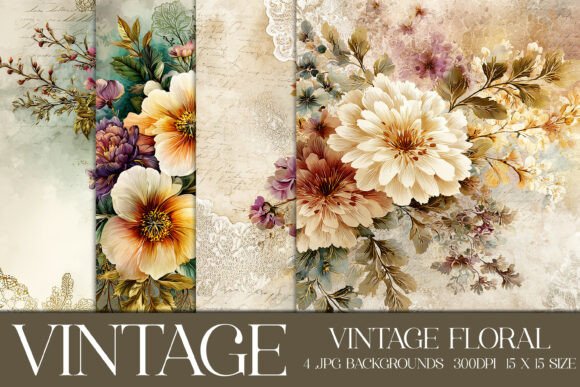
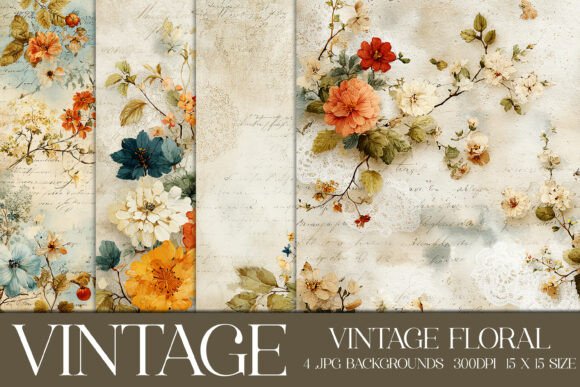
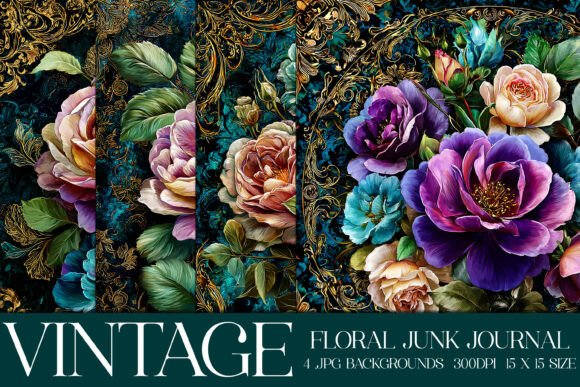
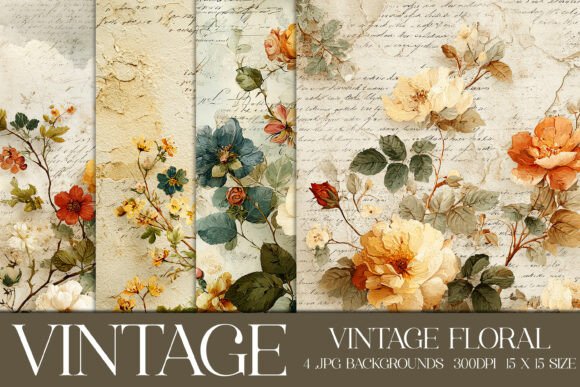
At its core, this collection is a celebration of the junk journal patchwork style. Imagine the tactile feel of layered fabrics, aged paper, and pressed flowers all translated into a high-resolution digital format. The visual language here is one of curated imperfection and organic beauty. The color palette is grounded in earthy, natural tones—think the soft warmth of tan, the rich depth of brown, the cheerful pop of orange, and the subtle glow of yellow. These hues work together to create a cohesive, inviting atmosphere that feels both nostalgic and timeless.
Unlike a single, repeating pattern, the patchwork style introduces variety and visual interest within a single background. Each 15×15 inch tile is a small composition in itself, featuring distressed textures, faded floral motifs, and the appearance of sewn or collaged elements. This approach gives each background a unique personality, making it feel handcrafted rather than mass-produced. The result is a set of design assets that can serve as a powerful brand identity element for businesses aiming for an artisanal, heartfelt, or rustic aesthetic.
Where These Backgrounds Truly Shine
The versatility of the Vintage Floral Backgrounds, S7 is one of its greatest strengths. Because the files are high-resolution RGB JPGs at 300dpi, they transition seamlessly between digital and physical applications. For printable paper projects, the quality ensures crisp, clear results. This makes them ideal for creating tangible items like scrapbook pages, handmade cards, garden flags, or even custom t-shirt designs where the background sets the scene.
In the digital realm, their utility is equally broad. The dimensions (4500×4500 pixels) provide ample space for cropping and adapting. Consider these applications:
- Web and Social Media: Use them as blog or website headers to establish a warm, welcoming tone. They make excellent social media advertising backgrounds, helping posts stand out in a crowded feed with their organic texture. They can even be adapted for unique cellphone backgrounds.
- Editorial and Packaging Design: In editorial design, a subtle, textured background can add sophistication to magazine layouts or book interiors. For packaging design, especially for artisanal foods, cosmetics, or handmade goods, these backgrounds can instantly communicate a product's handmade quality.
- Sublimation and Printables: The high resolution makes them perfect for sublimation printing on tumblers, mugs, and coasters. They are also ready-to-use as printable backgrounds for invitations, planners, and decorative prints.
Integrating into Your Creative Workflow
Successfully using a background like this involves more than just placing it behind your content. It's about strategic integration. First, consider the visual hierarchy of your design. The patchwork style is rich in detail, so pairing it with clean, simple typography is crucial. A bold sans serif font for headlines or a delicate script font for accents can create a beautiful contrast that ensures your message remains readable. Think of the background as the stage and your text as the actors—the stage should enhance, not distract.
When evaluating if this style fits your project, ask about the desired brand perception. Does your brand or project aim to feel approachable, nostalgic, authentic, and handcrafted? If yes, the vintage background style is a strong match. For a more modern, sleek brand, it might be used more sparingly, perhaps as a textural accent rather than a full-page background. Always test the backgrounds with your other design elements, such as your logo design or key imagery, to ensure color harmony and stylistic cohesion.
Remember, these are premium font assets in the sense that they are high-quality, specialized design components. While not a typeface itself, the background collection functions as a critical part of a designer's toolkit, much like a creative font family. By thoughtfully pairing them with your chosen typography and imagery, you create a unified and professional final product that resonates with your audience, whether it's for personal craft or commercial use.