Vintage Quilt Style Backgrounds, S19: Textured Digital Assets
There is a specific type of visual warmth that only comes from handmade textiles. It evokes a sense of history, comfort, and intricate craftsmanship that modern, flat graphics often struggle to replicate. For designers and content creators looking to inject that nostalgic, tactile feeling into their work, finding high-quality digital assets is key. The Vintage Quilt Style Backgrounds, S19 package is a unique collection designed to bridge the gap between traditional textile art and modern digital design. These are not just simple filters; they are complex, patchwork-style compositions that offer a rich foundation for a variety of creative projects.
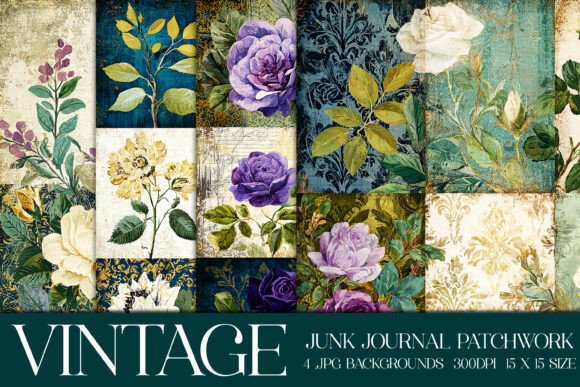
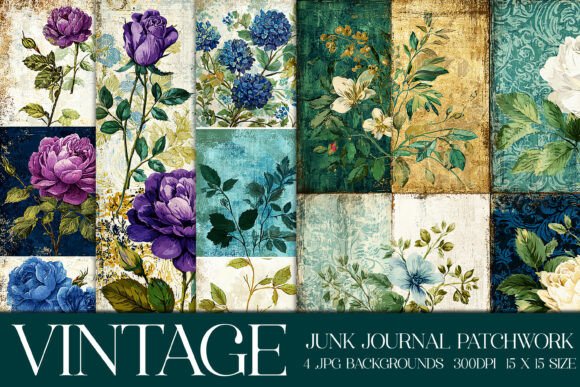
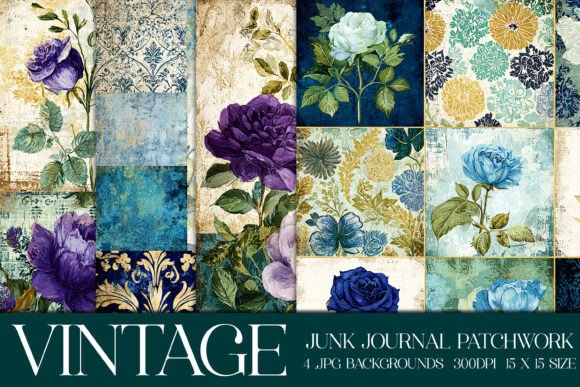
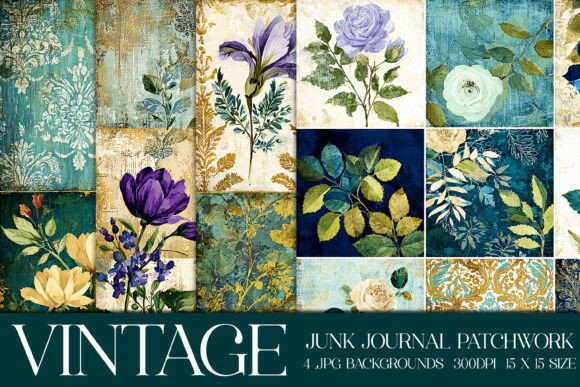
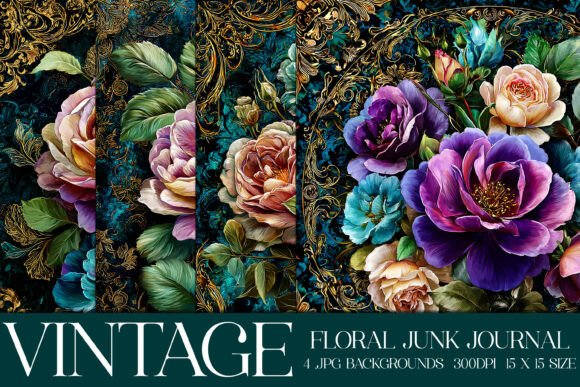
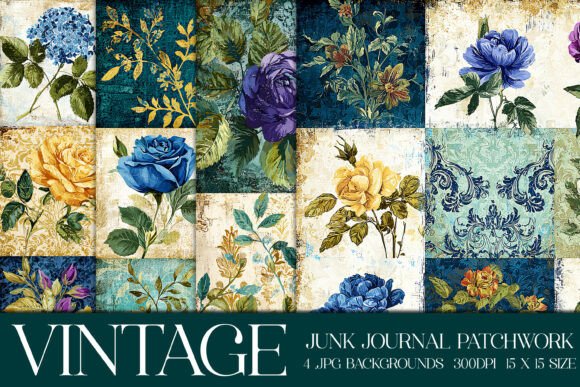
At its core, this collection consists of four distinct, high-resolution backgrounds. Each one is a digital collage, mimicking the appearance of a vintage junk journal or a well-loved quilt. Imagine overlapping pieces of aged paper, faded floral prints, and subtle fabric textures, all stitched together with a digital needle. The color palettes are muted and earthy, leaning into a country aesthetic that feels both authentic and versatile. This style isn't about sharp, clean lines; it's about embracing the beauty of imperfection, layered textures, and a handcrafted personality.
The Anatomy of a Patchwork Background
Understanding the visual components of Vintage Quilt Style Backgrounds, S19 helps in leveraging them effectively. These assets are built on a foundation of layered textures. You'll find elements that look like aged scrapbook paper, worn cotton, and delicate floral backgrounds. The "patchwork" aspect means the composition is intentionally fragmented, creating a dynamic visual rhythm. This complexity is a significant strength. Unlike a simple, repeating pattern, these backgrounds have a focal point and a sense of depth, making them far more engaging as a background for text or other design elements.
The personality of these assets is unapologetically nostalgic and intimate. They speak to a love for the past, for stories held within objects, and for the beauty of repurposed materials. This makes them a powerful tool for brand storytelling. A small business specializing in handmade goods, a blogger writing about sustainable living, or an author of historical fiction could all use these backgrounds to instantly communicate their brand's core values without saying a word. The style itself becomes a part of the brand's visual identity, adding a layer of authenticity that is difficult to achieve with generic stock imagery.
Practical Applications for Modern Creators
The true value of any design asset lies in its utility. The 15×15 inch (4500×4500 pixel) dimensions and 300dpi resolution make these backgrounds incredibly versatile for both print and digital applications. They are provided as RGB JPGs, which is ideal for screen-based projects, but their high quality ensures they can be used for a range of printed materials as well. Here’s how different professionals can put them to work:
- For Scrapbookers and Crafters: This is their most natural home. Use them as a full scrapbook background or print them on high-quality printable paper to create custom elements for physical projects. They are perfect for creating a cohesive theme in a memory journal or as a card base for handmade invitations.
- For Digital Designers and Marketers: In a digital landscape crowded with sleek minimalism, a textured background can be a powerful differentiator. Use them for social media graphics, blog headers, or website hero sections to add warmth and character. They work exceptionally well as a background for quote graphics or product announcements, especially for brands in the lifestyle, home decor, or artisanal food space.
- For Product-Based Businesses: The applications extend to physical products. Use the backgrounds for sublimation on tumblers, as a design layer for garden flags, or as a textured backdrop for t-shirt design backgrounds. The vintage aesthetic pairs well with earthy, natural product photography, providing a consistent and appealing setting.
- For Publishers and Authors: Create compelling invitations, book covers, or promotional materials that immediately set a historical or rustic tone. The backgrounds can serve as a subtle, atmospheric layer in editorial design, adding depth without overwhelming the main content.
Integrating Textured Assets into a Cohesive Design
Using a strong background like this requires a thoughtful approach to typography and layout. The goal is harmony, not competition. Because the Vintage Quilt Style Backgrounds are visually detailed, your foreground elements need to be clear and legible. This is where font pairing becomes critical. A bold, clean sans serif font can create a striking contrast, allowing your headlines to pop against the intricate background. Alternatively, a classic serif font can complement the vintage feel, especially if you add a subtle drop shadow or a semi-transparent color overlay behind the text to improve readability.
Consider the hierarchy of your design. Use the background to establish mood and context, but let your typography and primary graphics carry the message. For a logo design project, you might use a small section of the background texture within the logo mark itself, or use a simplified version as a brand pattern. This creates a consistent visual language across all brand touchpoints, from the website to the packaging. Always test your designs at the intended size. What looks good on a large monitor might become muddy when printed small, or vice versa. The high resolution of these assets gives you flexibility, but practical testing is non-negotiable.
A Note on Commercial Use and Licensing
When you acquire a digital asset like the Vintage Quilt Style Backgrounds, S19, it's essential to understand the terms of use. Typically, these are sold as a commercial use license, allowing you to incorporate them into products for sale. However, you cannot resell the background files themselves as a standalone product. This is a standard and fair practice. Always review the specific license agreement provided by the seller to ensure your intended use is compliant. This protects both you as the creator and the original artist who crafted the asset.
Ultimately, these backgrounds are more than just a decorative element. They are a tool for storytelling. They provide a ready-made sense of history, craftsmanship, and authenticity that can elevate a project from generic to memorable. By understanding their characteristics and applying them with intention, designers, crafters, and entrepreneurs can create work that resonates on a deeper, more emotional level with their audience. They are a versatile addition to any creative's library of design assets.